How Follow-Up Messages Work After the First Send
Most customers do not reply to the first message — they reply to the follow-up. Here is how to follow up without nagging.
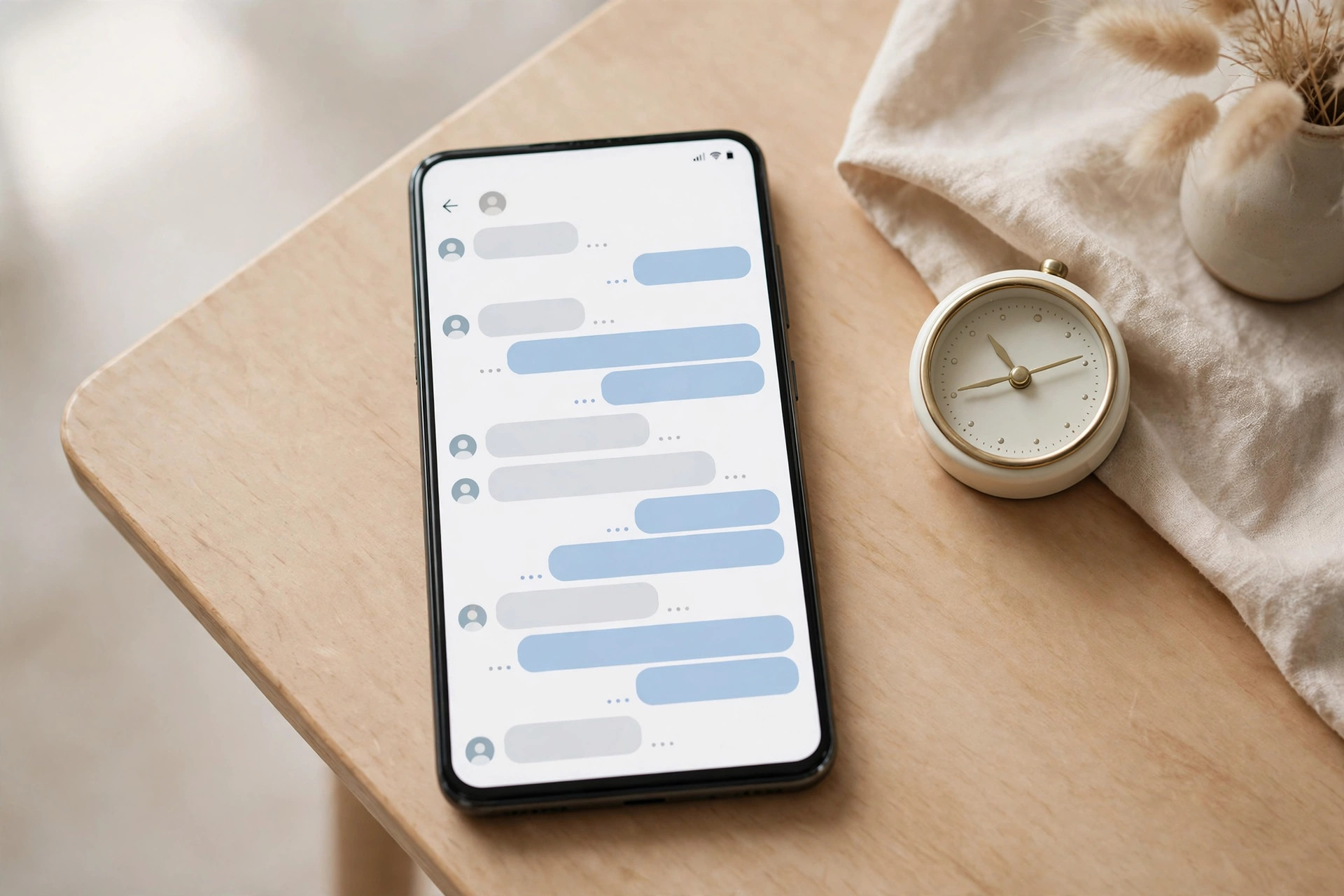
A single message is easy to miss. A customer might see it during a busy hour, mean to reply later, and then forget. That does not mean they are uninterested. It usually means your message arrived at the wrong moment.
This is why follow-up messages exist. A follow-up is a second, well-timed reminder that gives the customer another chance to respond. Done well, it feels helpful. Done badly, it feels like pressure. The difference is in the timing and the content.
Wait before you follow up
Sending a second message an hour after the first one tells the customer you are impatient, not helpful. Give people time to see the first message, think about it, and reply. A gap of a day or two is usually enough for most offers.
The right gap depends on urgency. A reminder about an appointment tomorrow justifies a quicker follow-up than a general promotion. Match the timing to the reason for the message, and customers will not feel chased.
Change something in the follow-up
Repeating the exact same message twice is the fastest way to get ignored. The follow-up should add something new: answer a common question, mention a detail you left out, or make the next step even simpler.
For example, if the first message announced a new course, the follow-up could answer the most common question about class timings. The customer who was unsure now has a reason to reply, instead of reading the same words again.
Keep the tone light
A follow-up should sound like a gentle nudge, not a demand. Phrases like just checking in or in case you missed this work because they give the customer an easy way back into the conversation. Nobody likes being told they still have not replied.
Avoid guilt, urgency tricks, or repeated reminders in the same day. A customer who feels pressured may reply once, but they will not welcome your next campaign. A customer who feels respected will keep listening.
Know when to stop
Not every customer will reply, and that is fine. Two messages about the same offer are usually enough. If there is still no response, leave the customer alone and try again with a different offer another time.
Stopping on time protects your list. Customers who never feel hounded are far more likely to respond to a future campaign than customers who learned to ignore you because every offer came with three reminders.
Frequently asked questions
How many follow-ups should I send?
One follow-up is usually enough for a single offer. Two at most, with a clear gap between them. More than that starts to feel like pressure.
Should the follow-up repeat the first message?
No. Add something new — an answer to a common question, an extra detail, or a simpler next step — so the customer has a fresh reason to reply.
What if a customer asks me to stop?
Stop straight away and remove them from future campaigns. Honouring stop requests quickly keeps your list healthy and your reputation intact.
Do follow-ups go out through the same system?
Yes. Follow-up messages are sent the same way as the first campaign: through Venture SMS numbers, with replies coming back to the panel.
Ready to try it?
Ask for a demo on WhatsApp first, then pick the package that fits how many people you want to reach.
Buy a package on WhatsApp: 3,000 — PKR 2,999 · 10,000 — PKR 6,999 · 30,000 — PKR 14,999 · 50,000 — PKR 19,999 · 100,000 — PKR 26,999